Introduction
Compare the pros and cons to choose the best solution for your business goals.
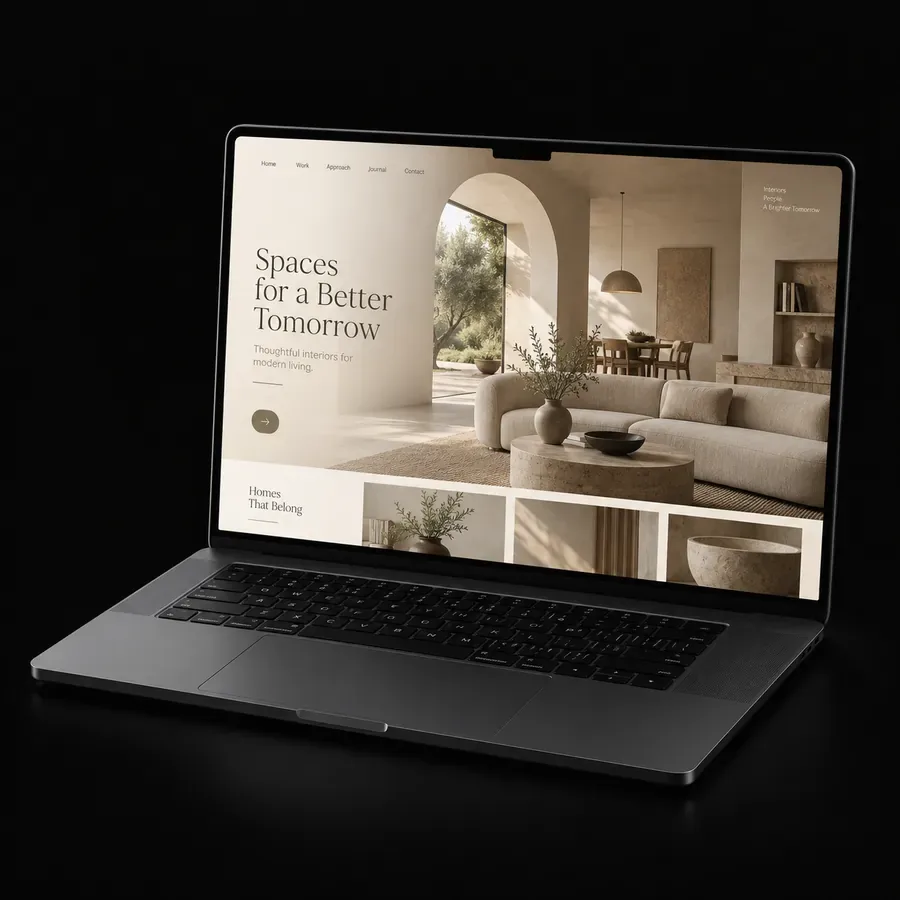
1. Define the requirements first
Write down the content, integrations and customer tasks the site must support. The right approach depends on these requirements and the team that will maintain it.
2. Understand a template’s strengths
A suitable template can provide a useful starting structure and established patterns. Evaluate how much adaptation it needs before assuming it will be faster overall.
3. Know when custom work helps
Distinct workflows or unusual integrations may benefit from a tailored approach. Custom work also requires decisions about documentation, maintenance and future changes.
4. Consider the whole lifecycle
Include content editing, accessibility checks, hosting and ongoing support in the discussion. Initial build cost is only part of the picture.
“The key to success is not just being present online, but being present with purpose.”
— Ayesha Malik, Digital Strategy Expert at Mozesto
5. Choose an approach you can sustain
Aim for a solution your team can confidently operate. A clear handover and sensible scope help either approach remain useful after launch.
Categories:
Share this article:

Ayesha Malik
Ayesha is a digital marketing strategist with 6+ years of experience helping businesses grow through data-driven strategies and creative campaigns.